
Songwe Hill
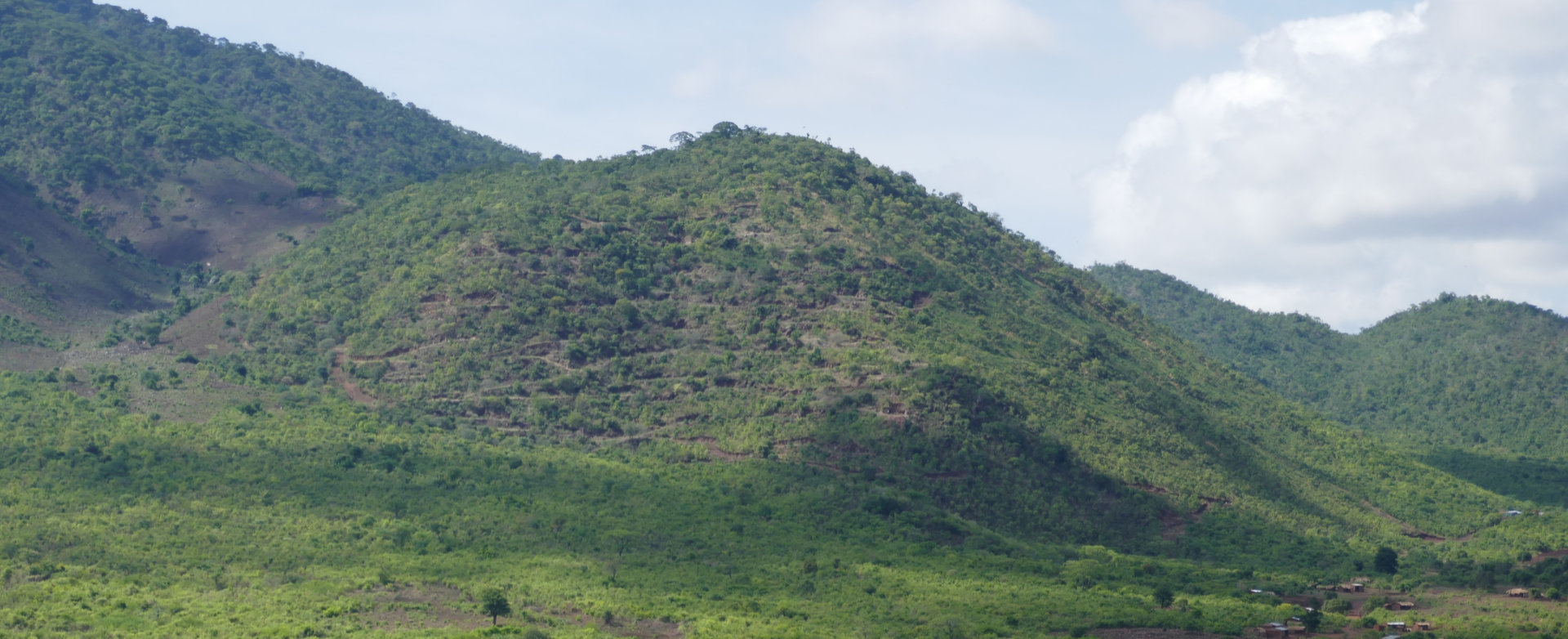
Songwe Hill is located in south-eastern Malawi
Songwe Hill hosts carbonatite-hosted rare earth mineralization and has been the subject of extensive environmental, drilling, metallurgical test work, and engineering studies.
Songwe Hill is located in the Phalombe District of the Southern Region of Malawi, approximately 70 kilometers (km) southeast of Zomba and 90km east-northeast of Blantyre, near the eastern border with Mozambique (latitude approximately 15°58’S and longitude approximately 35°39’E).
The Project is accessible via national highways S144 and S145, with the latter passing through Migowi, approximately 15 km from Songwe Hill. From Migowi, an all-weather graded gravel road (T415) connects to the site.
Geology
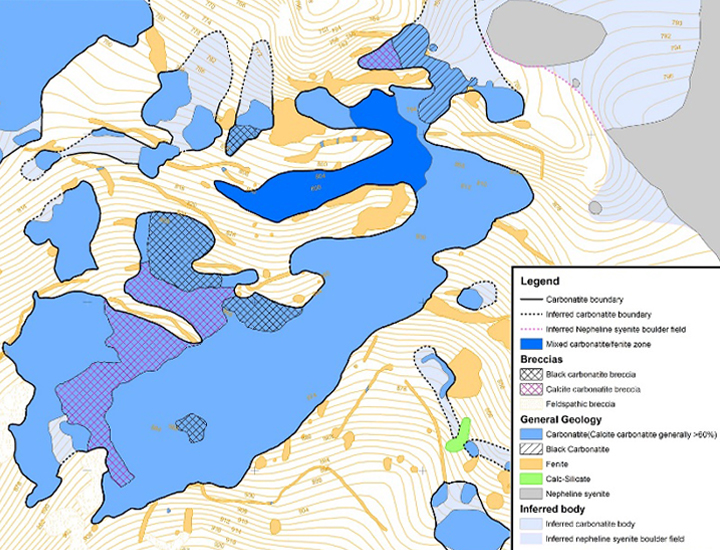
Songwe Hill is situated within the Chilwa Alkaline Province of southern Malawi, a region characterized by late Jurassic to Cretaceous intrusions. The deposit occurs as a carbonatite intrusion — breccia complex on the margin of the Phalombe Plain, expressed as a steep-sided hill approximately 800 meters in diameter. The Chilwa Province comprises a series of alkaline silicate and carbonate intrusions, structurally emplaced into Precambrian basement rocks, with Songwe Hill representing one of the most prominent carbonatite centers in the province.
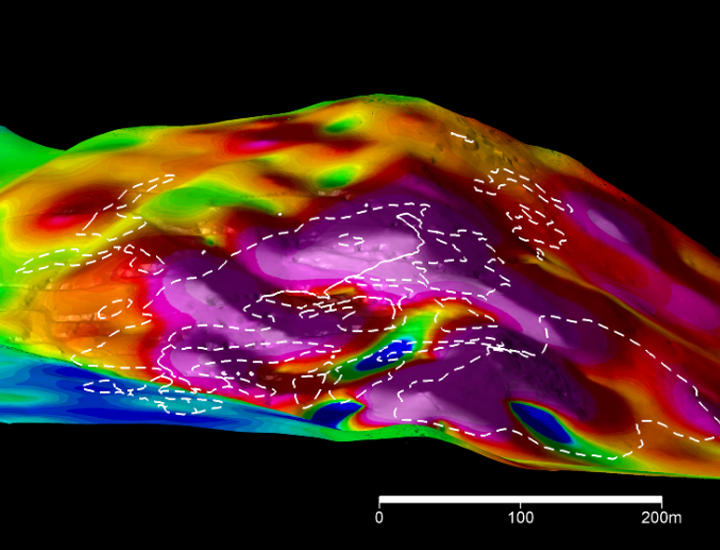
The Songwe Hill complex consists of multiple intrusive phases, including calcite carbonatite, fenite, breccia, and phonolite dykes. Mineralization is closely associated with carbonatite and carbonatite-rich breccias, which host the principal rare earth-bearing minerals synchysite and apatite, with minor florencite. Geological and geochemical modeling indicates a central carbonatite plug surrounded by breccias and fenite aureoles, cut by phonolite dykes. The complex has been affected by late-stage faulting, reflected in magnetic anomalies and localized foliation.
Exploration
Mkango has been exploring and evaluating the Songwe Hill deposit since January 2010. Following confirmation of the enriched zones, previously investigated by the Japan International Cooperation Agency and Metal Mining Agency of Japan (JICA and MMAJ, 1989), exploration focused on identifying the nature and extent of the REE-mineralised carbonatites and related rocks. Mkango’s exploration activities consisted of litho-geochemical sampling, soil sampling, channel sampling, geological mapping, ground magnetic, density and radiometric surveys, and petrographic/mineralogical analyses and culminated in diamond drilling campaigns in 2011, 2012 and 2018, the results of which are described in The MSA Group (2015, 2020), and taking of a bulk sample in 2018. Geological observations and interpretations and procedures related to exploration methodology were implemented and overseen by the Mkango geological team in Malawi.
Drilling Results and Mineral Resource Estimate
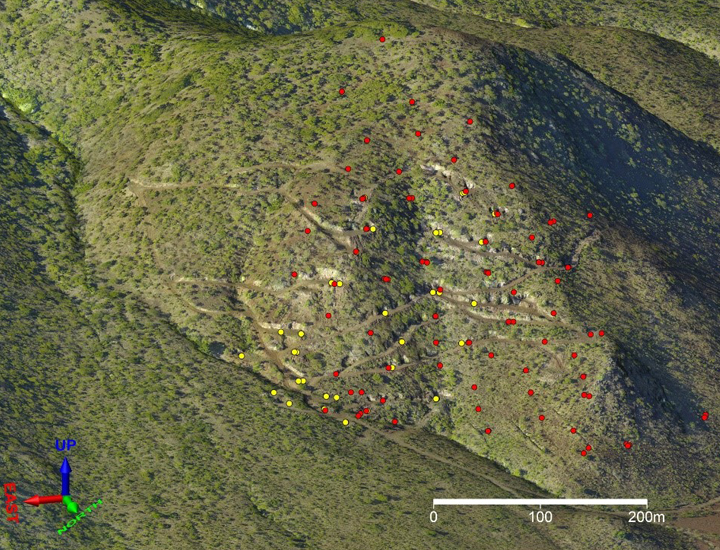
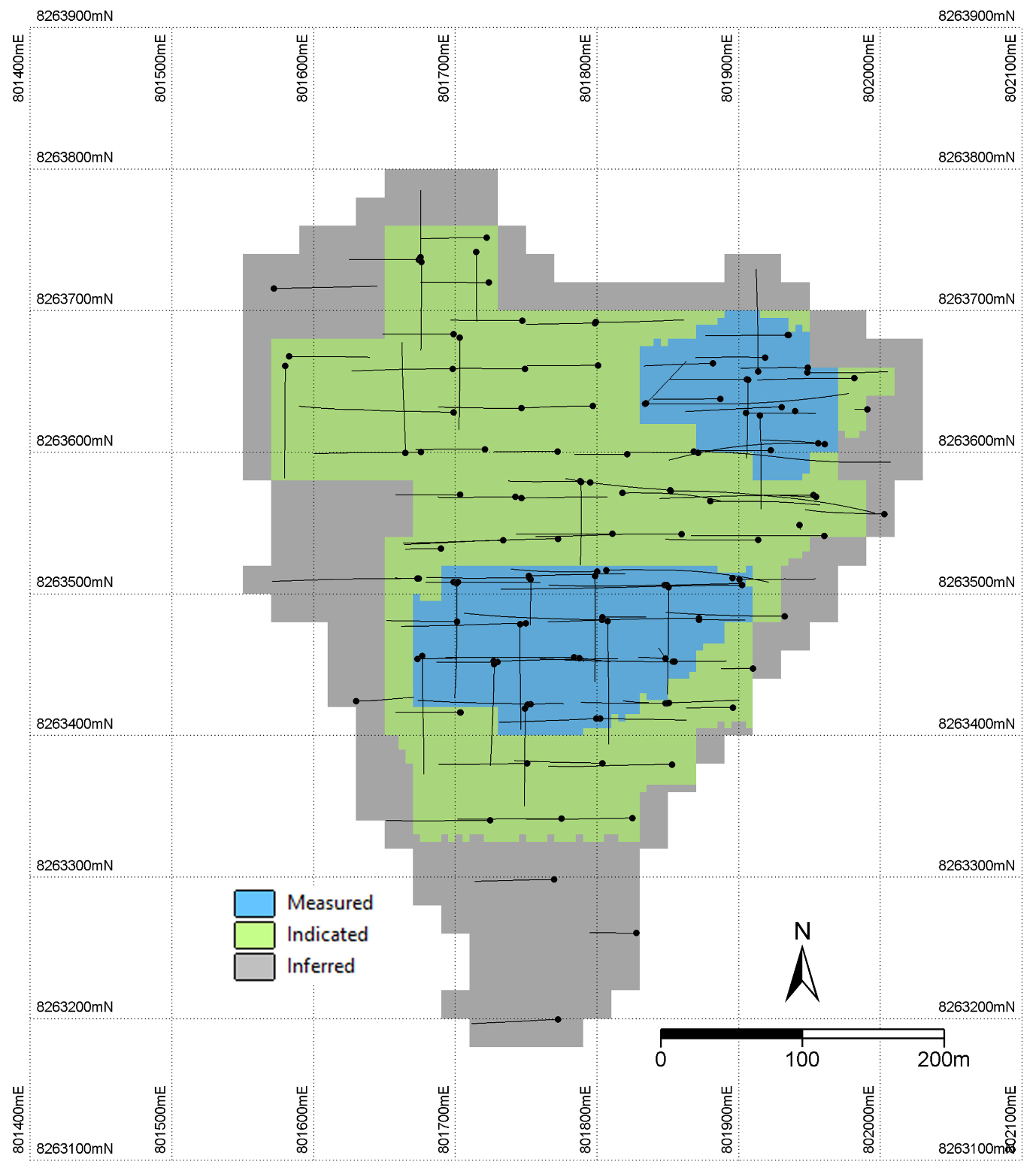
Diamond core drilling has been the primary exploration method employed at Songwe Hill. A total of 129 diamond drillholes were completed across three phases (2011, 2012, and 2018), targeting the carbonatite intrusion and associated breccias. Drill core was logged and sampled systematically, with sample intervals based on lithological boundaries and mineralization intensity. Density measurements were also taken, and quality assurance/quality control protocols included blanks, duplicates, and certified reference materials.
Surface exploration programs have included geological mapping, litho-geochemical sampling, and ground geophysical surveys (magnetic, radiometric, gravity, and NSAMT), which were used to refine the geological model and guide drilling. Bulk sampling and metallurgical test work were conducted to support process design and recovery optimization.
The Mineral Resource is reported within an optimized pit shell at a base case cut-off grade of 0.55% TREO, which the QPs consider appropriate for economic extraction. The total estimated Measured and Indicated Mineral Resource is approximately 4.1 Mt grading 1.04% TREO, containing 43 kt TREO, and the estimated Inferred Mineral Resource is approximately 55.9 Mt grading 1.05% TREO, containing 589 kt TREO.
The resource model is based on data from 129 diamond drillholes completed between 2011 and 2018, supported by geological mapping, geochemical sampling, and geophysical surveys. No additional drilling has occurred since 2018; however, the QPs consider the assumptions used for resource definition, including lithological domains and estimation methodology, to remain valid as of June 30, 2025. Resources are reported on an in-situ basis, assuming a rare earth metallurgical recovery of 39.6%, and exclude modifying factors applied for Mineral Reserves.

Mining Summary – Development & Operations
Songwe Hill will employ conventional open-pit mining methods using small to medium-scale diesel-hydraulic excavators and articulated dump trucks, selected to suit the steep-sided hill terrain and planned production rates. Mining will be conducted using standard drill-and-blast techniques, with 10-meter bench heights and controlled blasting to maintain slope stability. Ore and waste will be loaded by hydraulic shovels and hauled via internal haul roads to the run-of-mine (“ROM”) pad or designated waste dumps.
The operation will be fully mechanized, with drilling performed by down-the-hole rigs and blasting using emulsion explosives initiated electronically. Ore recovery is planned at 95%, with external dilution of 3% and internal dilution of 5% factored into the mine design. Waste rock and low-grade material will be stockpiled for potential future processing, while high-grade Ore will be delivered directly to the concentrator. Mining services such as dewatering, lighting, and in-pit maintenance will be supported by dedicated infrastructure.
Mineral Processing
Songwe Hill will utilize a two-stage processing route comprising a flotation concentrator and a hydrometallurgical plant. Ore from the open-pit mine will first undergo crushing, ball milling, and fine grinding before flotation to produce a rare earth concentrate. The flotation circuit has been optimized through extensive pilot-scale test work to achieve recoveries of approximately 74% TREO at concentrate grades exceeding 11 – 15% TREO.
The hydrometallurgical plant will treat the flotation concentrate through gangue leaching, caustic conversion, cerium oxidation, and rare earth leaching, followed by purification and precipitation to produce an MREC product containing approximately 55% TREO (dry basis). By-products include gypsum, which is expected to be sold to cement manufacturers. Process water will be recycled via a lined TSF with reverse osmosis treatment to manage impurities.